

Japandi Interior Design - And How Kokedamas Fit In
Japandi blends Japanese restraint with Scandinavian warmth. The result is a home language built on calm function, natural material honesty, and intentional emptiness.
Plants in this style should feel integrated, not decorative add-ons.
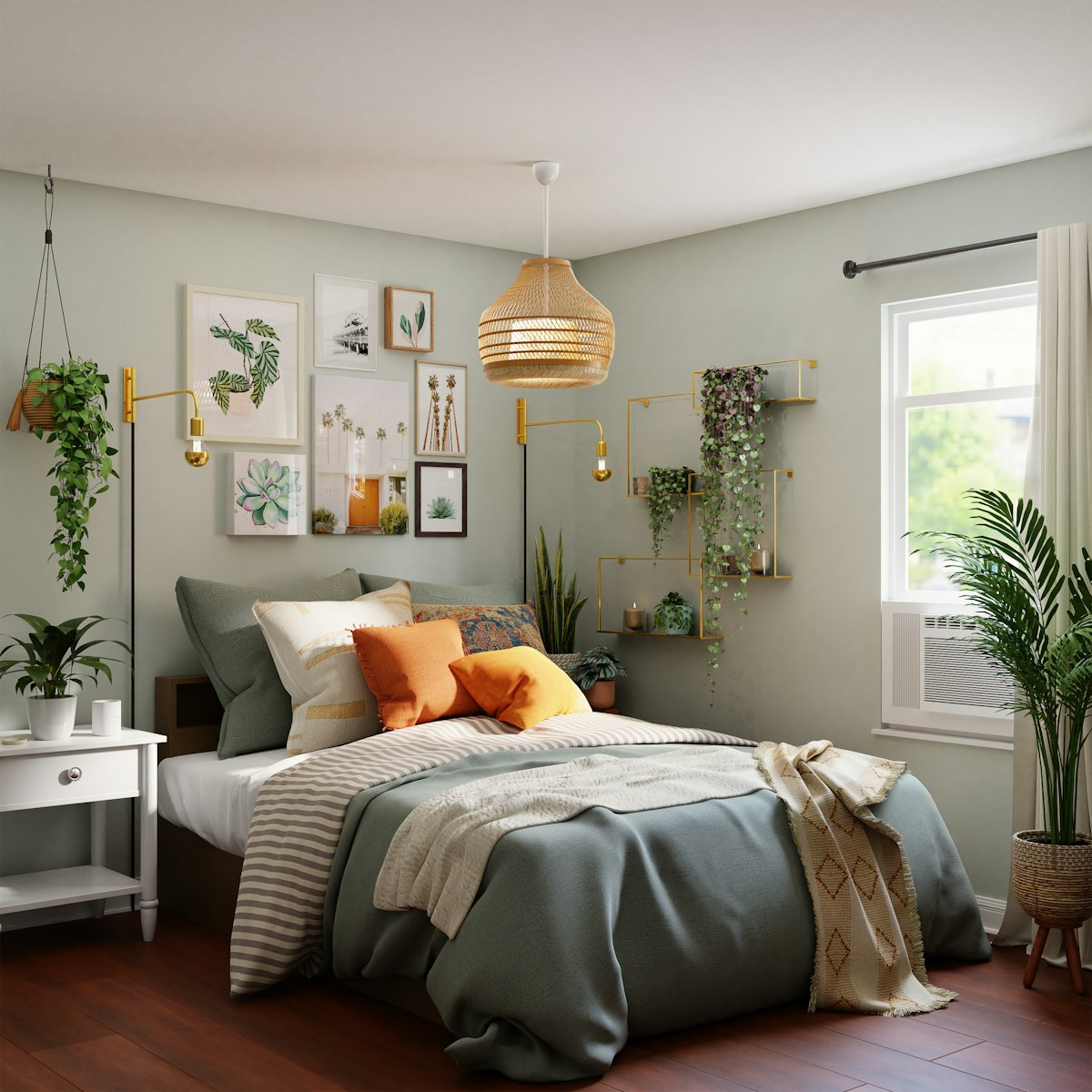
Core Japandi Principles That Affect Plant Choice
- simplicity without sterility,
- craftsmanship over mass production,,
- muted, nature-derived palettes,
- practical beauty and daily usability.
These principles align closely with kokedama.
Why Kokedama Is a Natural Japandi Object
Kokedama expresses the same values Japandi prioritizes:
- handmade process,
- organic asymmetry,
- tactile natural materials,
- minimal visual noise.
Reference: The Philosophy Behind Kokedama: Wabi-Sabi and Imperfection.
Plant Types That Suit Japandi Spaces
Choose species with calm structure and moderate growth:
- ficus (for sculptural rhythm),
- sansevieria (for vertical order),
- compact ferns (for soft textural contrast),
- pothos (used sparingly and pruned cleanly).
Reference: Types of Kokedama Plants.
Japandi Plant Styling Rules
- One focal plant per visual composition.
- Leave breathing room around plant objects.
- Pair with wood, stone, linen, and matte ceramics.
- Avoid shiny finishes and high-contrast color clashes.
- Prioritize maintenance realism over ambitious plant counts.
Where to Place Kokedama in Japandi Rooms
- living area: low console with negative space around it,
- dining area: sideboard corner, not center-table clutter,
- bedroom: low visual-height placement to preserve calm,
- workspace: one desk-adjacent point for soft biophilic presence.
Reference: Kokedamas for the Office.
Common Styling Errors
- too many small decor objects around the plant,
- mixing rustic and glossy materials aggressively,
- ignoring natural light consistency,
- treating plants as trend accessories.
Japandi design is disciplined. Plant placement should follow the same logic as furniture and lighting decisions.
Bottom Line
Japandi interior design plants should support stillness and function. Kokedama does this exceptionally well because it combines natural form, craft, and restraint in one object.
When chosen and placed intentionally, it feels less like decor and more like atmosphere.
Explore handcrafted kokedamas from Lisbon in our full collection, designed to fit calm, material-led interiors.