

The Philosophy Behind Kokedama: Wabi-Sabi and Imperfection
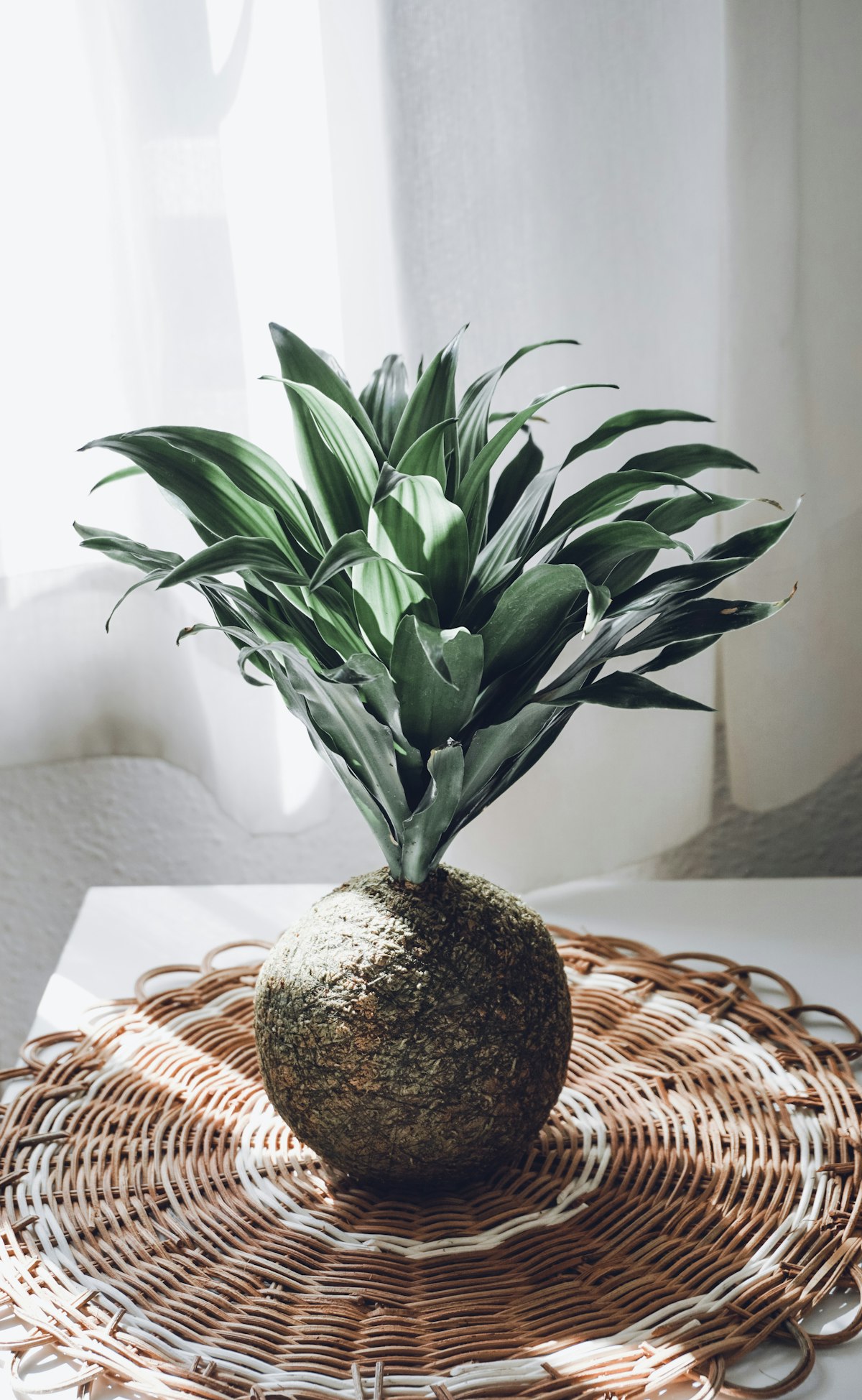
People usually encounter kokedama through aesthetics first. A moss-covered sphere, a sculptural plant, no pot, no obvious category. It feels calm and unusual at the same time.
But the enduring power of kokedama is not only visual. Its deeper appeal comes from the philosophy that shaped it: a Japanese view of beauty that values simplicity, impermanence, and imperfection. In many ways, you cannot fully understand a kokedama without understanding wabi-sabi.
This matters because without philosophy, kokedama can look like just another design object. With philosophy, it becomes something more grounded: a living practice that changes how you relate to time, materials, and care.
What Is Wabi-Sabi, in Practical Terms?
Wabi-sabi is hard to translate into one sentence. It is often described as "the beauty of imperfection," and that is directionally correct, but incomplete.
In everyday practice, wabi-sabi means appreciating things that are:
- Simple rather than ornate.
- Natural rather than synthetic.
- Weathered rather than pristine.
- Evolving rather than fixed.
It does not mean neglect or poor quality. It means accepting that real things change, age, and carry marks of use. A handmade tea bowl, slightly uneven at the rim, may feel more meaningful than a flawless industrial copy precisely because it reveals process and time.
Kokedama expresses this logic clearly. No two moss balls are identical. The shape shifts. The moss thickens in one area, thins in another. Leaves drop, new shoots emerge, roots adjust. The object is alive, and therefore never final.
Why Kokedama Naturally Embodies Wabi-Sabi
The typical modern home object is static. You buy it, place it, and it remains essentially the same until you replace it.
Kokedama behaves differently. It asks to be maintained and renewed. It carries visible traces of care. If you miss a watering cycle, you see stress. If you care consistently, you see response. This feedback loop is central to wabi-sabi sensibility: beauty as relationship, not as possession.
A few characteristics make this especially clear.
The form is simple. A sphere, a plant, and minimal binding thread. No decorative excess.
The materials are natural. Soil, moss, roots, foliage. Even when modern line or thread is used, the composition remains materially grounded.
The condition is dynamic. Moss matures. Roots expand. Shape loosens and is refreshed. There is no frozen "perfect version" to preserve forever.
From Craft Tradition to Everyday Object
Historically, kokedama emerged from Japanese horticultural traditions connected to bonsai and nearai forms, where roots and substrate were treated as part of the visual composition rather than hidden infrastructure. The historical path is covered in The History of Kokedama, but the philosophical continuity is what matters here.
The same values seen in tea ceremony, garden design, and traditional craft appear in kokedama:
- Attention to proportion.
- Respect for material behavior.
- Acceptance of seasonal change.
- Preference for restrained beauty over spectacle.
This helps explain why kokedama still resonates in contemporary homes. It offers a practical way to bring those values into daily life without needing deep formal training in Japanese arts.
Imperfection Is Not a Problem to Fix
One of the most useful shifts wabi-sabi offers is this: not every irregularity is a defect.
In plant care culture, people often chase flawless appearance. Perfectly symmetrical growth, spotless leaves, constant visual fullness. That approach can create anxiety and unrealistic expectations.
Kokedama encourages a healthier standard. A little asymmetry in the moss, a branch leaning toward light, subtle seasonal variation in leaf density: these are normal signs of life.
Of course, true distress still matters. Brown, crispy moss or persistent yellowing leaves can indicate care issues that should be corrected. But the goal is vitality, not cosmetic perfection. Practical troubleshooting lives in guides like How to Water a Kokedama and Kokedama Care for Ficus.
Wabi-sabi gives you a framework for that distinction. It helps you see the difference between natural evolution and avoidable damage.
Time as Part of the Design
Most decor tries to resist time. Kokedama incorporates it.
A newly made ball looks compact and sharply defined. After months, the moss settles and softens. After longer periods, the structure may need reshaping or refreshing. This lifecycle does not diminish the object; it completes it.
In practical terms, many kokedamas benefit from renewal every one to three years depending on plant vigor and care conditions. Moss may be replaced, soil reworked, roots trimmed or adjusted. This is less like repairing a broken product and more like seasonal maintenance in a garden.
That rhythm is one reason people describe kokedama care as calming. It introduces slower cycles into fast daily life.
Why This Philosophy Fits Modern Interiors
Wabi-sabi is sometimes treated as a trend label, but its compatibility with modern interiors is structural, not fashionable.
Minimal spaces need texture and life to avoid feeling sterile. Kokedama provides organic complexity without visual clutter.
Contemporary lifestyles often create screen-heavy routines and abstract workdays. Caring for a living moss ball reintroduces touch, weight, and direct sensory feedback.
Sustainability concerns have also shifted buying behavior. People increasingly prefer fewer, better-made objects over disposable decor. A handmade living object that can be refreshed rather than replaced aligns with that shift.
This is also why kokedama sits comfortably beside minimalist design values explored in Why Kokedama Are the Perfect Minimalist Plant. Both emphasize intention over accumulation.
Wabi-Sabi vs. Perfection Culture
Modern product culture often promotes a perfection loop: buy the flawless object, keep it flawless, replace it when it no longer looks flawless. That loop encourages disposability, even when the object is still functional.
Wabi-sabi interrupts that pattern. It treats minor change as evidence of life and use, not immediate obsolescence. Applied to plants, this has practical psychological benefits. You are less likely to panic over normal seasonal variation, less likely to over-correct with aggressive care changes, and more likely to develop stable long-term habits.
This mindset is especially helpful for beginners who ask whether kokedama is \"hard\" to maintain. Difficulty often drops once perfection pressure is removed and replaced with attentive, adaptive care.
How to Practice Wabi-Sabi with a Kokedama at Home
If you want philosophy to become daily behavior, use a simple four-part rhythm.
Observe weekly. Look for patterns instead of reacting to every small fluctuation.
Care deliberately. During watering, slow down enough to notice weight, moss condition, and leaf posture.
Refresh seasonally. When structure loosens or moss declines, schedule renewal rather than delaying until severe decline.
Document lightly. A monthly photo from the same angle helps you see gradual progress, making it easier to distinguish healthy evolution from true problems.
These habits transform kokedama from decorative purchase into lived practice, and they are fully compatible with practical care guides such as How Often Should You Water Your Kokedama?.
A Better Way to Evaluate Beauty at Home
If you apply wabi-sabi through kokedama, your criteria for "beautiful" changes in practical ways.
You stop asking: "Is this flawless?"
You start asking:
- Does this feel alive?
- Does it age honestly?
- Does it invite care?
- Does it create calm rather than noise?
These are stronger criteria for long-term satisfaction. They reduce the cycle of replacing objects that looked impressive at purchase but feel empty after novelty fades.
Living with Kokedama as a Practice
You do not need to become a scholar of Japanese aesthetics to benefit from this perspective. A few simple habits are enough.
Pay attention during watering. Feel weight before and after soaking.
Observe seasonal shifts instead of forcing identical growth year-round.
Accept small irregularities when the plant is healthy.
Refresh when needed rather than discarding.
Over time, these habits turn kokedama from decor into practice. The object remains beautiful, but the real value becomes relational: you learn to notice, respond, and adapt.
That is the core of wabi-sabi in domestic life.
The Point Is Not Perfection
Kokedama is compelling because it stays human. Handmade but disciplined. Simple but expressive. Imperfect but deeply intentional.
In a market full of polished, replaceable objects, that combination is rare. And it is why people who start with one kokedama often keep it for years, renewing it as it changes instead of swapping it for the next trend.
Wabi-sabi does not ask you to lower standards. It asks you to choose better standards: vitality over flawlessness, meaning over novelty, continuity over constant replacement.
Kokedama happens to be one of the most practical ways to live that philosophy every day.
Discover our Ficus Kokedama, handmade in Lisbon, and experience a living object designed to evolve with you.