

When and How to Repot a Kokedama
Kokedamas do not stay structurally identical forever. Over time, roots expand, the outer layer ages, and the ball may loosen or compact. That is normal.
The key question is not "Should I ever repot?" but "When should I refresh, and when should I fully repot?"
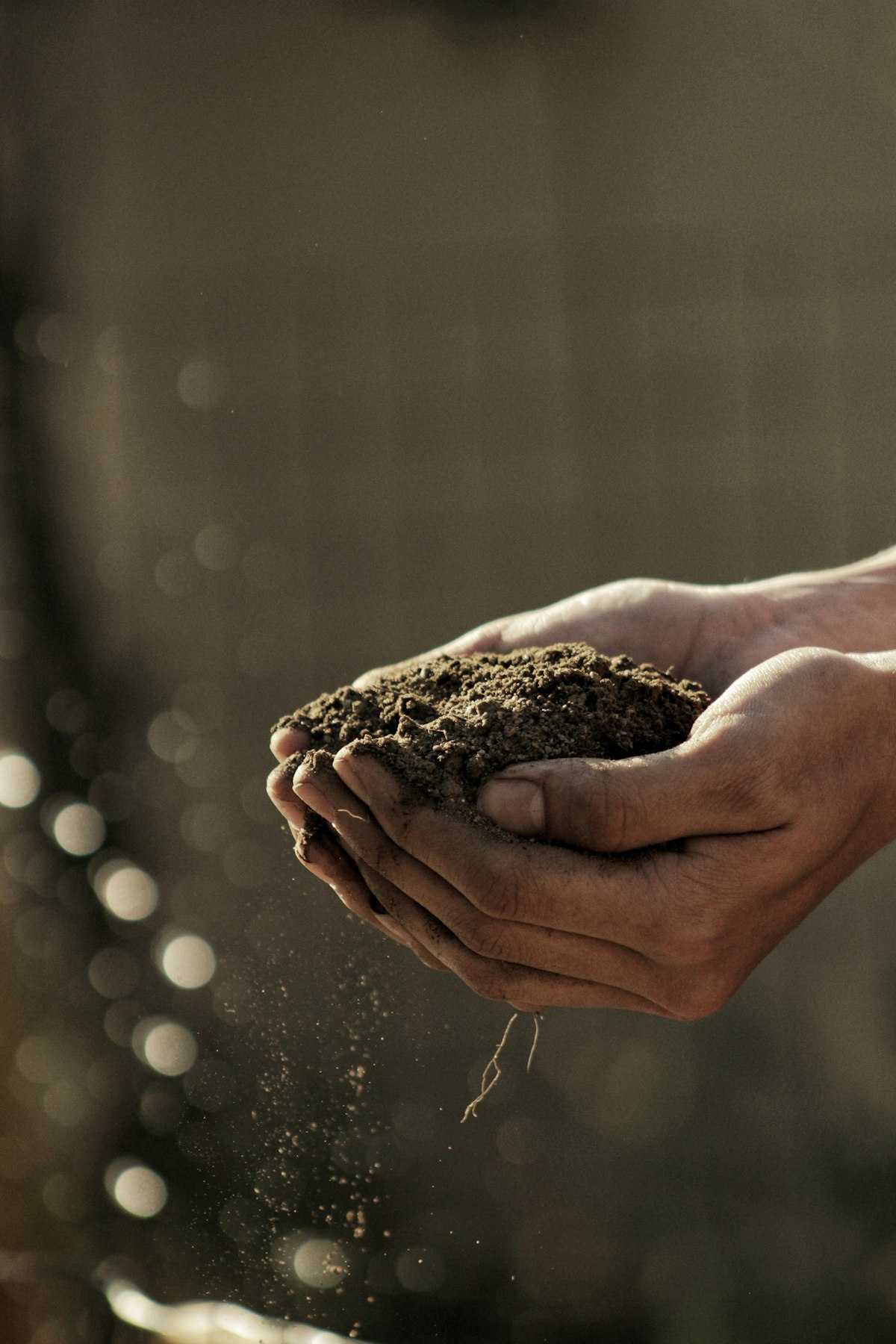
Refresh vs. Repot
Refresh: rebuild the kokedama form around the same plant.
Repot: move the plant into a traditional pot (temporarily or permanently).
Most owners looking to maintain kokedama style need refresh first, not full repot.
Signs It Is Time
- roots visible through the outer wrap,
- unstable ball shape,
- water behavior inconsistent,
- declining growth despite correct basics,
- aging outer wrap and substrate structure.
Use lifespan context from How Long Does a Kokedama Last?.
Best Timing
Early active growth season is usually best. Avoid major interventions during severe stress or deep dormancy unless necessary.
Tools and Materials
- fresh substrate mix,
- fresh coconut fiber or another suitable sustainable outer wrap,
- binding thread,
- clean scissors,
- water basin.
Step-by-Step Refresh
- Hydrate lightly before handling.
- Remove the old outer wrap carefully.
- Inspect roots and trim only damaged/overly dense sections.
- Rebuild/reshape substrate around roots.
- Apply fresh coconut fiber and bind securely.
- Soak briefly, drain fully, and return to stable light.
Aftercare (2 Weeks)
- avoid fertilizer,
- keep stable bright indirect light,
- monitor moisture closely,
- avoid frequent relocation.
Feeding can resume later using How to Fertilize a Kokedama.
When to Choose Pot Repotting Instead
- very large root mass,
- repeated decline in kokedama format,
- care/lifestyle mismatch.
Repotting is not failure. It is a practical format change.
Bottom Line
Repot decisions are about timing and intent. Refresh preserves the form; pot-repot changes the form. Both can support healthy long-term plant life.
Keep your plant thriving long term with our Ficus Kokedama and step-by-step maintenance guides.