

Kokedama Light Requirements: Full Guide by Plant Type
Light is the variable that quietly controls everything else. Watering, growth speed, leaf color, and long-term resilience all depend on whether your kokedama is in the right light zone.
Many care issues blamed on watering are actually light mismatch. Get light right, and the rest of the routine becomes easier.
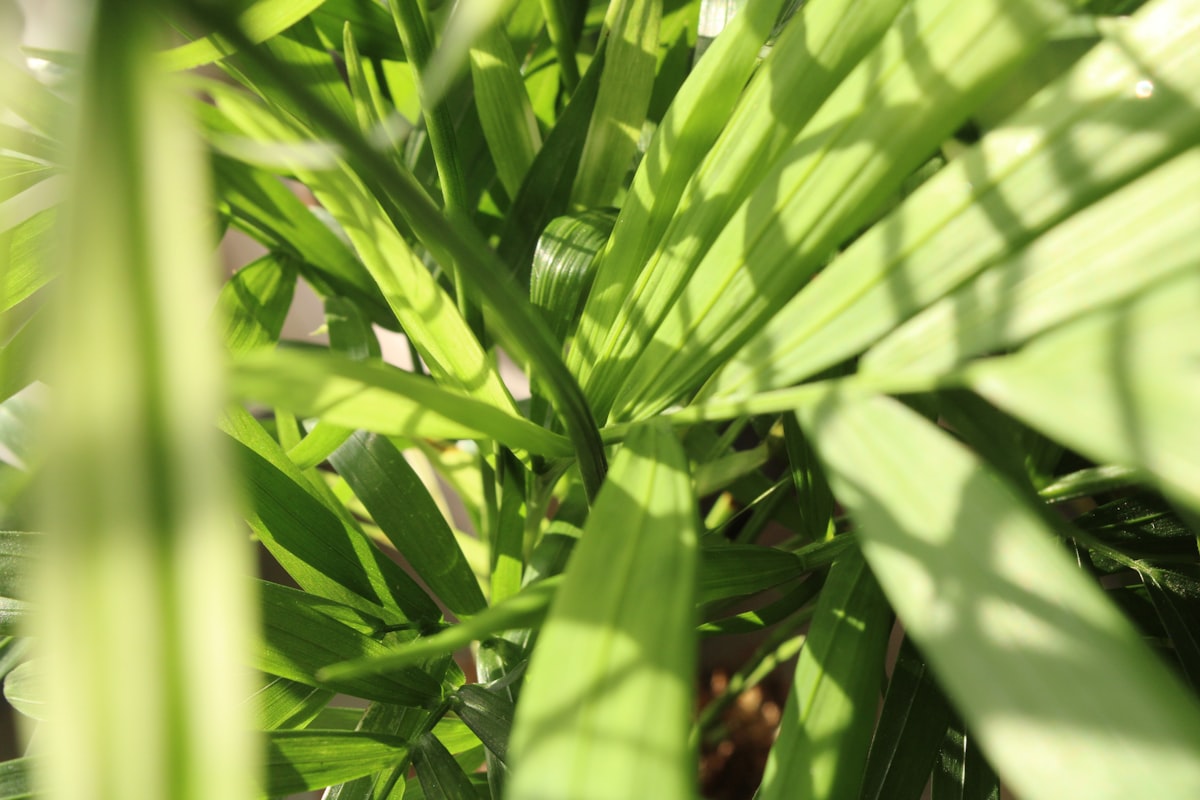
What "Bright Indirect Light" Actually Means
Most indoor kokedamas do best in bright, indirect light. This means a well-lit area near a window where sunlight is filtered or not hitting leaves harshly for long periods.
Quick practical cues:
- You can read comfortably without turning on lights in daytime.
- Shadows are present but soft, not sharply outlined for hours.
- The plant receives ambient brightness for most of the day.
Why Kokedama Placement Is More Sensitive
Compared with large pots, kokedamas can dry and respond faster to environmental changes. High light increases water demand. Low light slows uptake and can leave balls wet longer if watering is not adjusted.
That is why placement and watering must be calibrated together.
Light Zones in a Typical Home
High Light Zone
Near south/west windows with strong exposure. Good for high-light tolerant species if heat is managed.
Medium Bright Zone
Near east windows or a few feet back from brighter windows. This is often the best all-around zone.
Low Light Zone
Far from windows or shaded rooms. Suitable only for tolerant species and slower growth expectations.
Plant-Type Light Guide
Ficus
Prefers bright, indirect light and can tolerate some gentle direct morning sun. Low light may cause leaf drop or stretched growth.
Ferns
Prefer bright to medium indirect light. Harsh direct sun can scorch fronds quickly.
Pothos and Philodendron
Tolerate medium/low light but perform best in brighter indirect conditions. Variegated forms need more light to maintain pattern.
Peace Lily
Handles lower light better than many plants but flowers and vigor improve in medium-bright indirect light.
For species-specific routines, see Kokedama Care for Ficus.
Signs of Too Little Light
- slower or stalled growth,
- long gaps between leaves,
- smaller or paler new leaves,
- persistent dampness due to slower water use.
Correction: move incrementally to brighter area over several days.
Signs of Too Much Light
- bleached/yellow patches on exposed leaves,
- dry crispy edges,
- rapid drying combined with stress,
- midday wilt despite watering.
Correction: increase distance from glass, add sheer curtain, or relocate to filtered light.
Seasonal Light Adjustments
Light intensity and duration shift through the year.
Spring/summer: higher intensity may require more frequent moisture checks.
Autumn/winter: shorter days reduce growth; avoid overwatering in unchanged intervals.
Winter adjustments are detailed in How to Care for Your Kokedama in Winter.
Artificial Light: Is It Enough?
Yes, in many setups. A quality grow light can support kokedamas where natural light is limited.
Guidelines:
- use full-spectrum lights,
- maintain suitable distance per manufacturer,
- run on consistent timer,
- monitor heat and drying impact.
Artificial light should be stable, not occasional.
Placement Mistakes to Avoid
- "Decor first" placement in very dark corners.
- Sudden moves from shade to intense direct sun.
- Ignoring reflective heat from glass in summer.
- Treating all species as if they have same light tolerance.
These mistakes create avoidable stress cycles.
Light + Watering Decision Pair
Any time you change light, revisit watering interval.
Brighter placement generally means faster drying and more frequent checks.
Darker placement usually means slower drying and longer interval.
Pair these decisions to avoid secondary problems.
5-Minute Monthly Light Audit
- Observe plant growth direction and leaf density.
- Check for scorch or chronic pale growth.
- Review seasonal sun angle changes.
- Rotate plant for balanced development.
- Adjust placement by small increments only.
This simple audit catches issues before decline becomes visible.
Bottom Line
Most kokedamas thrive in bright indirect light, but "most" is not all. Match light to species, reassess seasonally, and adjust watering when placement changes.
When light is correct, care gets simpler and plant resilience increases dramatically.
Explore our Ficus Kokedama and place it confidently with our step-by-step care guides.